
Powered By


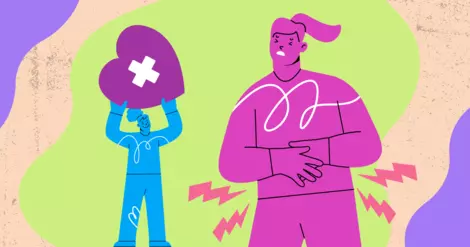
Waiting for melanoma scan results can bring a lot of worry. This feeling is sometimes called “scanxiety” — anxiety that happens before, during, or after imaging tests such as PET scans, CT scans, or MRIs. Doctors use these tests to check how your melanoma or melanoma treatment is doing.
Many MyMelanomaTeam members know this feeling well. “MRI of my brain scheduled,” one member wrote. “Been clear for two years. I always get scanxiety.” Another shared, “Waiting for results of first PET scan since starting treatment. Waiting is so stressful!”
You may not be able to take away all the uncertainty that comes with scans, but there are ways to make the waiting easier. Here are eight strategies that may help you cope with scanxiety before your next melanoma scan.
It’s normal for people with melanoma to feel anxious when they have a scan scheduled. Anxiety is a natural response to a perceived threat and can cause symptoms such as:
For some people with melanoma, scan-related anxiety may begin a week or two before an appointment and become more intense as the scan gets closer. The anxiety can be especially intense in the day or two before the test, when scan-related worries may disrupt sleep or concentration.
“I get very anxious before a scan. I’ve had clear scans for almost two years. My stage 4 nodular melanoma had spread to my brain, liver, lung, adrenal gland, and gastric lymph nodes,” a MyMelanomaTeam member said.
Here are some tips for how to deal with scanxiety before and after your melanoma scans.
If you have questions about your scan, reach out to your melanoma healthcare team a week or two before a scheduled scan to talk about any worries or concerns. They can help ease your anxiety by letting you know what to expect during the scan and when you can expect results.
Consider writing down your questions beforehand. You might ask what different results could mean for your treatment or what the next steps may be. For example, if you have advanced melanoma, you may want to ask how the scan results could affect your treatment plan.
“I was feeling extreme anxiety over being diagnosed as stage 4. Now that we have a plan in place, I can breathe again!” a MyMelanomaTeam member shared.
Your scan results may show up on MyChart — your electronic healthcare patient portal — before you hear from your doctor. But test results can be written in medical language that can be hard to understand and might increase your anxiety.
You can turn MyChart notifications off and wait for your doctor to explain the results. Waiting to hear from your doctor can provide more clear information and give you a chance to discuss your test results more thoroughly.
Whether or not you use a patient portal, it may help to ask your healthcare team when and how you’ll receive your results. Having a clear plan can make the waiting period feel more manageable.
While waiting for a scan appointment or test results, it’s helpful to keep busy with activities you enjoy. Try:
Keeping busy can help distract you from thinking and worrying too much about your scan. “I’m coping with the anxiety by working in the yard and living with a grateful heart!” one MyMelanomaTeam member wrote.
Another member said, “Feeling a little anxious about getting results in a week. Meeting with my oncologist and then a brain scan the same day. Keeping faith and staying busy with the grandkids.”
A number of different relaxation techniques can help relieve anxiety, including:
One MyMelanomaTeam member shared this advice: “Breathe in and out. Be extra kind to yourself on days you’re having anxiety and stress. … I am living one day at a time and am grateful for every single day that I have.”

Scanxiety is a normal feeling that most people living with cancer — such as melanoma — experience at some point. In fact, as many as 70 percent of people with cancer experience scanxiety. It’s OK to acknowledge how you feel.
Knowing you may experience scan-related anxiety can help you recognize your scanxiety when it comes up and take steps to manage it.
“All of us have the same anxiety each time we have a PET scan. Try to remain positive,” a MyMelanomaTeam member wrote.
It’s important to have emotional support when experiencing anxiety about your scans. You may want to ask a close friend or family member for support. They can be a calming person to talk to or someone to go with you to medical test appointments.
Many people with melanoma find that joining a support group for people with melanoma can help ease worry, fear, and anxiety about scans. Talking to others who understand what you’re going through can be helpful in numerous ways, such as providing support, tips, and resources. You can ask your healthcare team about where to find an in-person or online support group.
Team members have shared their thoughts about joining MyMelanomaTeam.
“Anxiety hit when my husband’s PET scan came back showing a new mass in his abdomen. I felt like I needed some support from people who understand and wound up here,” one team member wrote. Another member commented, “Keep talking and sharing! Get to know your team!”
Self-care means taking time for yourself in ways that can help you feel your best. It could be a long bath, a massage, or time spent in nature. Importantly, self-care can help you feel more control over your health and well-being.
Healthy lifestyle habits are an important aspect of self-care. Eating a well-balanced diet, getting regular exercise and physical activity, and sleeping enough can help you feel better — both mentally and physically — and support your overall health.
“Depression, anxiety, and anger come with the territory. Reach out to others, share your struggles, and find the time to care for others and yourself. Try to find healthy distractions as well. It’s a tough road, but it can get better with a positive attitude,” a MyMelanomaTeam member wrote.
If your scan-related anxiety is affecting your ability to manage daily activities, talk to your healthcare team about a referral for mental health counseling.
Cognitive behavioral therapy (CBT) is one type of psychotherapy (talk therapy) that can help reduce negative thinking and promote healthy coping strategies. A mental health professional can also help determine whether anti-anxiety medication may be an appropriate option for you.
Get updates directly to your inbox.





 Continue with Facebook
Continue with Email
Continue with Facebook
Continue with Email
Continue with Facebook
Continue with Email
Continue with Facebook
Continue with Email
Become a member to get even more





 Join
Join


 Your Privacy Choices

This is a member-feature!
Sign up for free to view article comments.
We'd love to hear from you! Please share your name and email to post and read comments.
You'll also get the latest articles directly to your inbox.